
Boost Learning with Montessori Toys for Learning

As a parent or educator, I have always been drawn to the gentle, purposeful approach of Montessori education. It’s a philosophy that honours the natural curiosity and independence of children, encouraging them to explore and learn at their own pace. One of the most beautiful ways to support this journey is through thoughtfully chosen toys. Montessori toys for learning are not just playthings; they are tools that nurture development, creativity, and confidence. Today, I want to share how these toys can truly boost learning and enrich the early years of childhood.
Why Choose Montessori Toys for Learning?
When I first discovered Montessori toys, I was captivated by their simplicity and the way they invite children to engage deeply with their environment. Unlike many mass-produced plastic toys, Montessori toys are often made from natural materials like wood, cotton, and metal. This connection to nature is not only aesthetically pleasing but also supports sensory development.
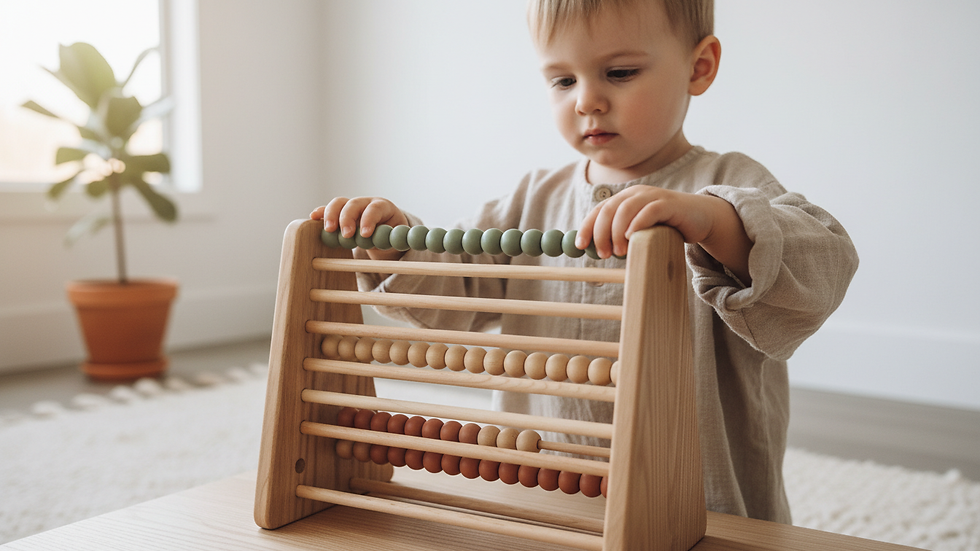
Montessori toys are designed with a clear purpose: to develop specific skills such as fine motor coordination, problem-solving, language, and social interaction. For example, a set of wooden stacking blocks helps toddlers understand size, balance, and spatial relationships. A bead threading activity encourages hand-eye coordination and concentration.
What I appreciate most is that these toys respect the child’s ability to learn independently. They are open-ended, meaning children can use them in multiple ways, fostering creativity and critical thinking. This approach aligns perfectly with mindful parenting, where we observe and support rather than direct every moment.

What is so special about Montessori toys?
Montessori toys stand apart because they are crafted with intention and respect for the child’s developmental stages. Each toy is designed to meet a child’s needs at a particular age, supporting milestones in a natural and engaging way.
For babies (0-1 years), Montessori toys often focus on sensory exploration. Soft rattles, textured balls, and simple mobiles encourage visual tracking, grasping, and auditory development. These toys are safe, non-toxic, and sized perfectly for little hands.
Toddlers (1-3 years) benefit from toys that promote independence and practical life skills. Think of pouring sets, dressing frames, or shape sorters. These activities build concentration and fine motor skills while giving toddlers a sense of accomplishment.
Preschoolers (3-6 years) are ready for more complex challenges. Montessori toys for this age might include puzzles, counting beads, or language cards. These tools support cognitive development and prepare children for school readiness.
For school-age children (6-12 years), Montessori toys evolve to encourage abstract thinking, creativity, and problem-solving. Science kits, building sets, and art materials allow children to explore their interests deeply and independently.
The beauty of Montessori toys lies in their timeless design and educational value. They are not flashy or noisy but invite calm, focused play that nurtures the whole child.
How Montessori Toys Support Child Development
Montessori toys are more than just educational tools; they are catalysts for holistic development. Here’s how they support key areas of growth:
Cognitive Development: Toys like puzzles and sorting games help children develop problem-solving skills and logical thinking. They learn to recognise patterns, shapes, and numbers in a hands-on way.
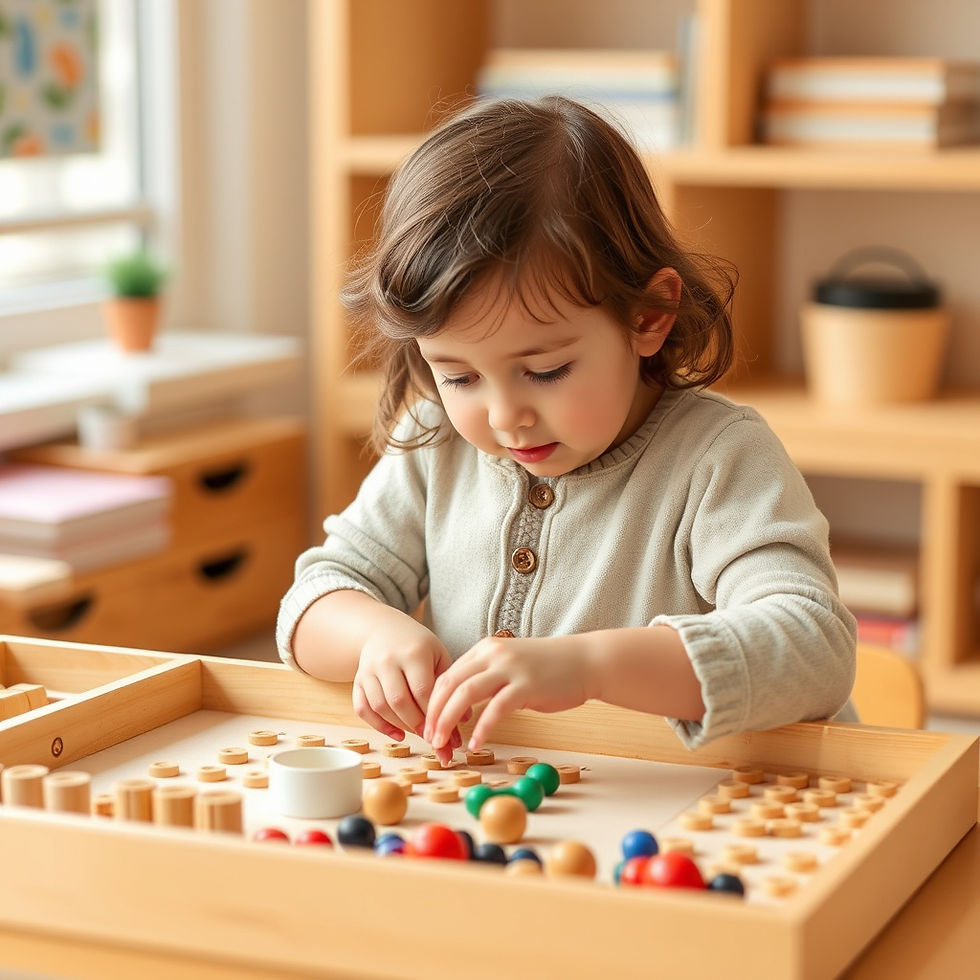
Motor Skills: Activities such as threading beads or using tweezers improve fine motor control and hand-eye coordination, which are essential for writing and daily tasks.
Language Skills: Many Montessori toys incorporate language learning through storytelling cards, phonetic games, or naming objects. This enriches vocabulary and communication.
Emotional and Social Growth: By encouraging independent play and decision-making, these toys help children build confidence and self-esteem. Group activities with Montessori materials also foster cooperation and empathy.
Sensory Development: Natural materials provide varied textures, weights, and sounds that stimulate the senses and support sensory integration.
In my experience, children who engage regularly with Montessori toys tend to show greater focus and a love of learning. They develop patience and perseverance because the toys invite exploration without pressure or competition.
Practical Tips for Choosing Montessori Toys
Selecting the right Montessori toys can feel overwhelming with so many options available. Here are some practical tips I’ve found helpful:
Consider the Child’s Age and Developmental Stage
Choose toys that match the child’s current abilities and interests. For example, a baby will benefit from soft sensory toys, while a preschooler might enjoy a puzzle that challenges their problem-solving skills.
Opt for Natural Materials
Wooden toys, cotton fabrics, and metal components are durable, safe, and environmentally friendly. They also provide a richer sensory experience than plastic alternatives.
Look for Open-Ended Toys
Toys that can be used in multiple ways encourage creativity and independent thinking. Avoid toys with a single purpose or those that rely heavily on batteries and noise.
Prioritise Quality Over Quantity
A few well-made toys are better than a clutter of cheap ones. Quality toys last longer and hold children’s interest more effectively.
Create a Calm, Inviting Play Space
Arrange toys neatly on low shelves where children can access them easily. This supports independence and respect for the environment.
Observe and Follow the Child’s Lead
Watch how the child interacts with the toys and offer new challenges as they master skills. This mindful approach honours their unique learning journey.
By keeping these tips in mind, you can build a collection of Montessori toys that truly support growth and joy.
Encouraging Mindful Play and Learning Every Day
Incorporating Montessori toys into daily routines is a wonderful way to foster mindful play. I encourage setting aside dedicated time each day for uninterrupted exploration. This might be a quiet morning session with a stacking toy or an afternoon spent threading beads.
Remember, the goal is not to rush or force learning but to create an environment where children feel safe to experiment and discover. Celebrate small achievements and be patient with challenges. The process itself is where the magic happens.
As children grow, involve them in caring for their toys and choosing new ones. This nurtures responsibility and decision-making skills. Sharing stories about the materials and the purpose behind each toy can deepen their appreciation and connection.
Ultimately, Montessori toys are a gift that keeps on giving - supporting children’s development while bringing calm and beauty into your home.
I hope this insight into Montessori toys for learning inspires you to explore this enriching approach. By choosing toys that respect and nurture your child’s natural development, you are laying a strong foundation for lifelong learning and happiness.
For those interested in exploring a curated selection of montessori educational toys designed to support every stage from infancy to school age, I highly recommend visiting trusted sources that share this philosophy and commitment to quality.
Happy learning and joyful play!
To display the Widget on your site, open Blogs Products Upsell Settings Panel, then open the Dashboard & add Products to your Blog Posts. Within the Editor you will only see a preview of the Widget, the associated Products for this Post will display on your Live Site.
Start your 14 days Free Trial to activate products for more than one post.
icon above or open Settings panel.
Please click on the


Comments