
Why Jigsaw Puzzles are the Ultimate Tool for Toddler Brain Development

There is a unique magic in watching a toddler complete a puzzle. You can almost see the gears turning in their brain as they pick up a piece, turn it around, try to fit it into a slot, fail, try again, and finally—click—it fits. The pure joy and pride on their face in that moment is unmatched.
While traditional jigsaw puzzles have been a staple in homes for generations, many parents view them simply as a quiet activity to keep kids busy. However, in early childhood education, puzzle games are recognized as foundational tools for cognitive, physical, and emotional development.
Let’s look at why high-quality wooden puzzles childrens love are worth investing in, and how they build essential skills development for the future.

How Jigsaw Puzzles Build Spatial Awareness and Geometry
Before a child can understand school geometry, they need to understand shapes in the physical world. When working on wooden childrens puzzles, toddlers practice spatial rotation. They look at a space, evaluate the shape of a piece, and mentally flip or turn it to see if it will match. This hands-on experience forms the mathematical foundations of their brain.
Refining Fine Motor Skills and Hand-Eye Coordination
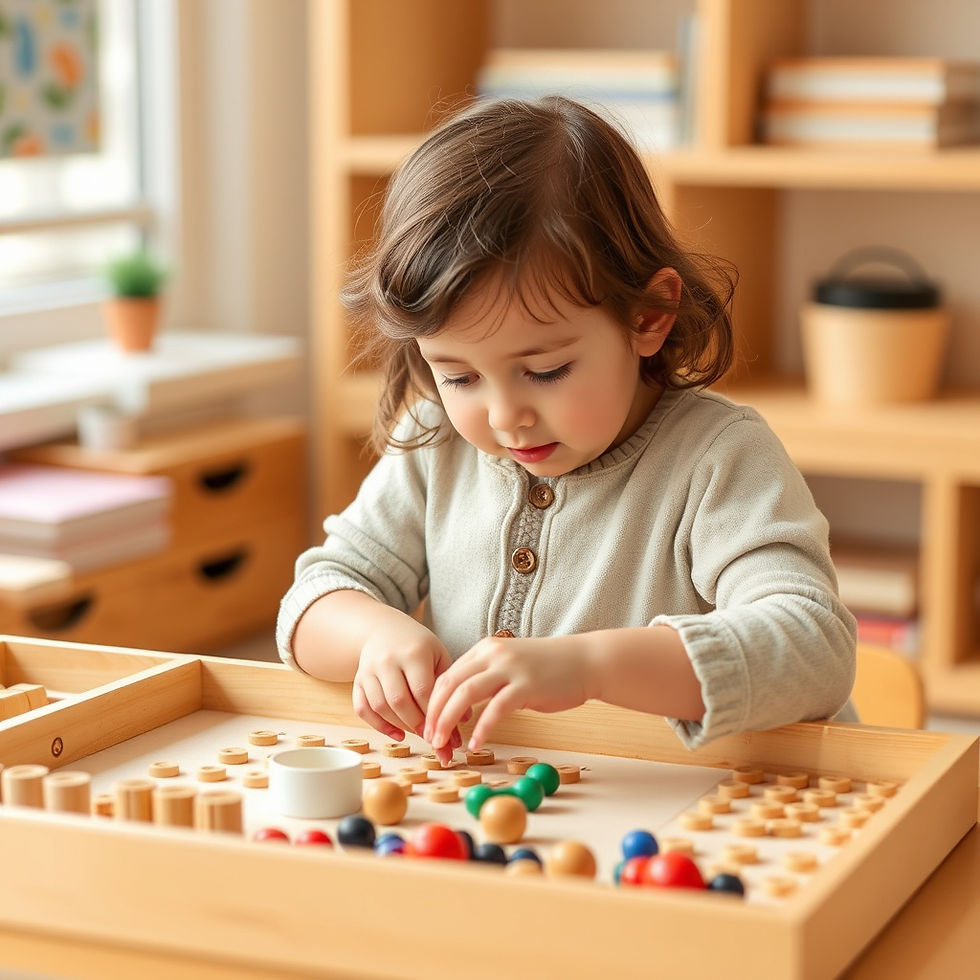
Picking up a small puzzle piece, holding it between the thumb and forefinger (the pincer grasp), and carefully guiding it into a specific slot requires incredible muscle control. Using beautifully weighted wooden puzzles childrens sets help refine these small hand muscles. This physical practice is directly linked to later life skills, such as holding a pencil, using cutlery, and writing.
Refining Fine Motor Skills with Wooden Puzzles for Children
Puzzles are, at their core, a child's very first logic puzzles. A toddler cannot solve a puzzle by guessing; they must use a strategy. They look at the colors, the edges, and the sizes. When a piece doesn't fit, they are forced to handle a small moment of frustration, think critically, and try a alternative solution. This builds mental resilience and problem-solving confidence.
Why Wood Wins: Choosing the Best Jigsaw Puzzles for Toddlers

With so many cheap plastic or thin cardboard jigsaw puzzles on the market, why should parents choose wood?
Durability: Cardboard puzzles bend, tear, and lose their shape after a few weeks. High-quality wooden puzzles are nearly indestructible and can be passed down through generations.
The Weight Factor: In Montessori education, the weight of an object matters. Wooden pieces give real sensory feedback to a toddler's small hands, making it easier for them to guide the piece into place.
Beauty and Calminess: Natural wood has a calming texture and aesthetic. It creates a quiet, focused play environment rather than a chaotic, colorful mess.
Conclusion: One Piece at a Time
When you sit down with your child to complete a puzzle, you aren’t just helping them finish a game. You are helping them build concentration, patience, and logical thinking. By choosing purposeful wooden puzzles childrens collections, you are providing them with a timeless learning tool that respects their natural pace of growth.
Looking to challenge your little thinker's mind? Explore our premium collection of smooth, sustainably made wooden childrens puzzles and geometric sorting shapes designed to turn playtime into an extraordinary learning journey.
To display the Widget on your site, open Blogs Products Upsell Settings Panel, then open the Dashboard & add Products to your Blog Posts. Within the Editor you will only see a preview of the Widget, the associated Products for this Post will display on your Live Site.
Start your 14 days Free Trial to activate products for more than one post.
icon above or open Settings panel.
Please click on the

Comments