
Boost Creativity with Montessori Educational Toys: Unlocking Educational Toys Benefits for Every Child

In the journey of raising children, every parent and educator seeks ways to nurture creativity, independence, and a lifelong love of learning. One of the most effective and heartwarming approaches I have discovered is through the use of Montessori educational toys. These toys are not just playthings; they are carefully designed tools that support a child’s natural development, encourage mindful exploration, and celebrate the beauty of natural materials.
Montessori toys offer a unique blend of simplicity and purpose, making them ideal companions for children from birth through school age. In this post, I want to share insights into how these toys can boost creativity, the educational toys benefits they bring, and why they hold a special place in mindful parenting.
The Educational Toys Benefits: Why Choose Montessori?
When I first introduced Montessori toys to my own children, I noticed a remarkable shift in how they engaged with their environment. Unlike flashy, battery-operated toys, Montessori toys invite children to slow down, focus, and use their imagination. Here are some key educational toys benefits that make Montessori toys stand out:
Encourages Independent Learning: Montessori toys are designed to be self-correcting, allowing children to explore and learn at their own pace without constant adult intervention.
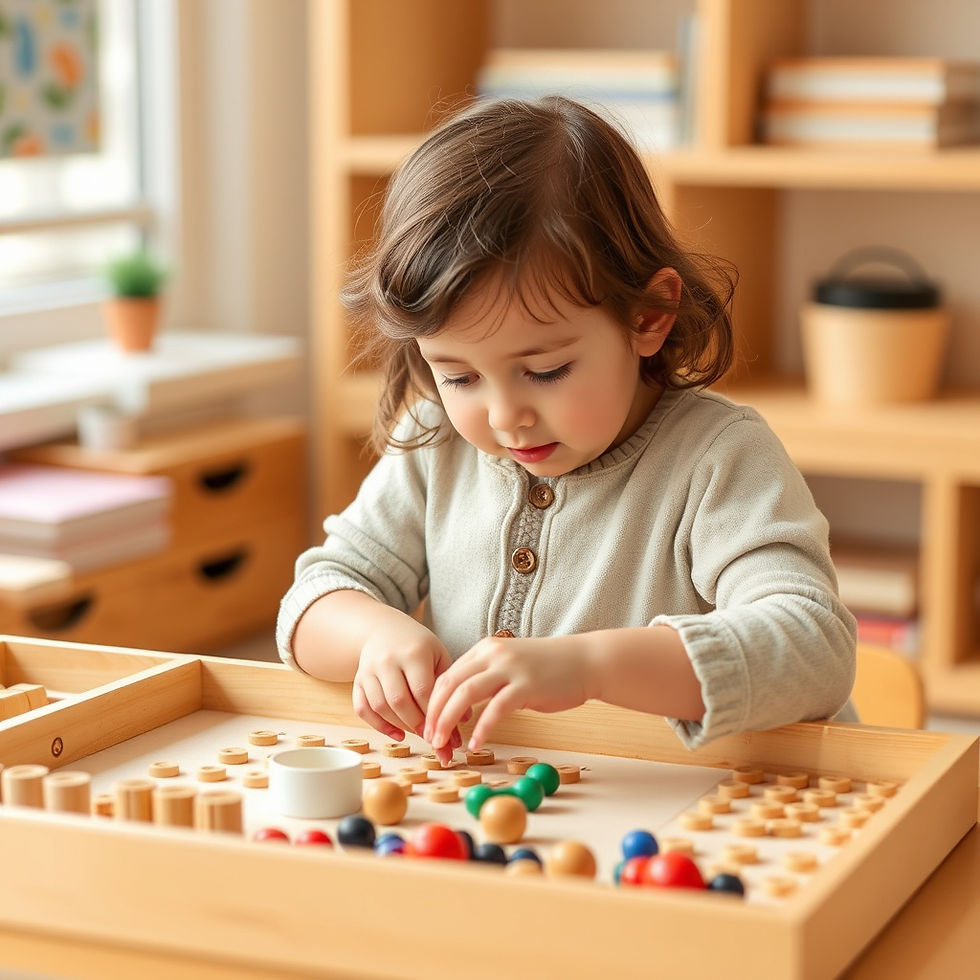
Supports Fine Motor Skills: Many toys involve hands-on activities like stacking, sorting, or threading, which develop dexterity and hand-eye coordination.
Fosters Problem-Solving: Open-ended toys challenge children to think critically and creatively, helping them develop problem-solving skills.
Promotes Concentration and Patience: The natural materials and simple designs encourage children to focus deeply, enhancing their attention span.
Connects Children to Nature: Wooden and natural-fibre toys provide sensory experiences that plastic toys often lack, grounding children in the natural world.
These benefits align beautifully with the Montessori philosophy, which values the child’s autonomy and respects their individual developmental timeline.

What is so special about Montessori toys?
Montessori toys are special because they are more than just objects for amusement; they are thoughtfully crafted educational tools. Their uniqueness lies in several core principles:
Natural Materials: Most Montessori toys are made from wood, cotton, wool, or other natural fibres. This not only makes them eco-friendly but also provides a warm, tactile experience that plastic toys cannot replicate.
Simplicity and Elegance: The design is minimalistic, avoiding overstimulation. This simplicity invites children to use their imagination rather than being directed by the toy.
Developmental Focus: Toys are carefully categorised by age and developmental milestones, ensuring that each toy supports the child’s current abilities and gently challenges them to grow.
Encouragement of Real-Life Skills: Many toys mimic everyday activities, such as pouring, buttoning, or sorting, helping children develop practical life skills.
Self-Correcting Features: Montessori toys often include built-in feedback mechanisms, allowing children to recognise and correct their mistakes independently, fostering confidence and resilience.
By choosing Montessori toys, I found that children are not just entertained but deeply engaged in meaningful play that supports their holistic development.
Montessori Toys for Different Developmental Stages
Understanding the right toys for each stage of childhood is crucial. Montessori toys are thoughtfully categorised to meet the evolving needs of children from birth to 12 years old. Here’s a breakdown of how these toys support creativity and learning at each stage:
Babies (0-1 years)
At this tender age, sensory exploration is key. Toys that stimulate the senses and encourage movement are ideal. Think soft wooden rattles, textured balls, and simple grasping toys. These help babies develop hand-eye coordination and sensory awareness.
Toddlers (1-3 years)
Toddlers are eager to explore their independence. Toys that encourage sorting, stacking, and simple problem-solving are perfect. Puzzles with large pieces, shape sorters, and nesting cups help toddlers develop fine motor skills and cognitive abilities.
Preschoolers (3-6 years)
Preschoolers thrive with toys that challenge their creativity and reasoning. Building blocks, threading beads, and practical life sets (like pouring or dressing frames) encourage concentration, coordination, and imaginative play.
School-Age Children (6-12 years)
Older children benefit from toys that promote complex thinking and creativity. Science kits, advanced puzzles, and art materials aligned with Montessori principles help develop critical thinking, patience, and artistic expression.
By selecting toys appropriate for each stage, I have seen children blossom in confidence and creativity, enjoying play that feels purposeful and joyful.

How Montessori Toys Foster Mindful Parenting
As a parent or educator, I understand the daily joys and challenges of nurturing a child’s growth. Montessori toys support mindful parenting by encouraging us to slow down and observe our children’s unique interests and rhythms. Here’s how these toys help cultivate a mindful approach:
Encouraging Observation: Montessori toys invite adults to watch and learn from the child’s play, rather than directing it. This deepens our understanding of their needs and preferences.
Promoting Presence: The calm, natural aesthetic of Montessori toys creates a peaceful environment that encourages quality time and focused interaction.
Supporting Autonomy: By allowing children to choose and manage their play, these toys foster independence and decision-making skills.
Reducing Overstimulation: The simplicity of Montessori toys helps reduce the noise and clutter often found in modern playrooms, creating a more serene space for learning.
Aligning with Values: For eco-conscious families, the use of sustainable, natural materials aligns with a commitment to environmental stewardship.
Incorporating Montessori toys into our homes and classrooms has been a gentle reminder to cherish the present moment and honour the child’s natural curiosity.
Practical Tips for Choosing and Using Montessori Toys
To make the most of Montessori toys, here are some practical recommendations I have found helpful:
Choose Quality Over Quantity: Select a few well-made toys that suit your child’s current developmental stage rather than overwhelming them with many options.
Create a Dedicated Play Space: A tidy, inviting area with accessible shelves encourages children to explore independently.
Rotate Toys Regularly: To maintain interest and challenge, rotate toys every few weeks, introducing new activities aligned with developmental milestones.
Engage Without Taking Over: Observe your child’s play and offer gentle guidance only when needed, allowing them to lead their learning.
Incorporate Natural Elements: Complement toys with natural materials like stones, shells, or wooden blocks to enrich sensory experiences.
Encourage Open-Ended Play: Opt for toys that can be used in multiple ways, fostering creativity and problem-solving.
By following these tips, I have seen children develop a deeper connection to their play and a stronger sense of self.
Embracing Creativity Through Montessori Educational Toys
In my experience, the true magic of Montessori toys lies in their ability to nurture creativity naturally. When children are given the freedom to explore with thoughtfully designed tools, their imaginations flourish. Whether it’s building intricate towers, threading colourful beads, or sorting shapes, each activity becomes a stepping stone in their creative journey.
If you are looking to enrich your child’s playtime with meaningful, purposeful toys, I warmly recommend exploring montessori educational toys. These toys not only support developmental milestones but also cultivate a lifelong love of learning and creativity.
Choosing Montessori toys is a beautiful way to honour your child’s individuality, support mindful parenting, and embrace the educational toys benefits that come from play rooted in respect, simplicity, and natural beauty.
I hope this guide inspires you to explore the wonderful world of Montessori toys and witness the joyful creativity they can unlock in your child’s life. Remember, the best gift we can give our children is the freedom to learn, imagine, and grow at their own pace.
To display the Widget on your site, open Blogs Products Upsell Settings Panel, then open the Dashboard & add Products to your Blog Posts. Within the Editor you will only see a preview of the Widget, the associated Products for this Post will display on your Live Site.
Start your 14 days Free Trial to activate products for more than one post.
icon above or open Settings panel.
Please click on the


Comments