
Piece by Piece: How Jigsaw Puzzles Shape Young Minds

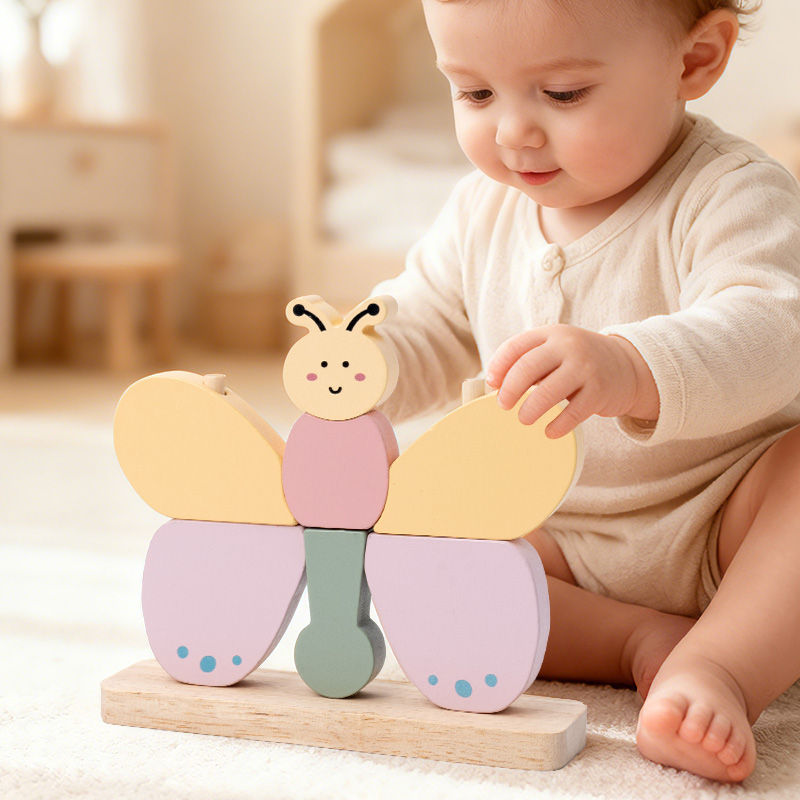
When a toddler sits on the floor, deeply absorbed in rotating a small piece of wood to find where it fits, something magical is happening in their brain. On the surface, it looks like simple play. In reality, it is an intense cognitive workout.
For generations, jigsaw puzzles have been a staple of childhood playrooms. But in today's fast-paced digital world, where instant gratification is the norm, these classic physical challenges are more important than ever.
Whether your child is matching basic geometric shapes or piecing together a detailed animal scene, engaging with tactile puzzle sets builds the foundation for future mathematical, spatial, and emotional success.
Let's explore why physical puzzle play remains one of the most effective tools for early childhood development.

Building Spatial Reasoning and Visual Memory
To place a puzzle piece in its correct spot, a child must mentally rotate the shape, analyze its color and edges, and compare it to the bigger picture. This process exercises visual-spatial reasoning—a critical cognitive skill used later in geometry, reading maps, and understanding structural design.
Unlike flat screen apps where images magically snap into place, handling real wooden jigsaw puzzles forces a toddler's brain to translate 3D physical objects into spatial solutions.
Refining Fine Motor Control and Hand-Eye Coordination
Placing a piece into a tight, designated slot requires delicate hand control. Toddlers must use their pincer grasp, adjust their wrist angles, and apply just the right amount of pressure. This constant refinement of fine motor skills directly prepares young hands for important self-care milestones, such as using cutlery, zipping jackets, and eventually holding a pencil with ease.
The Cognitive Power of Wooden Jigsaw Puzzles and Logic Puzzles
Parents often ask us how to transition their toddlers from basic shape sorters to more complex brain teasers. The secret lies in choosing the right materials and scaling the challenge appropriately.
When you offer your child high-quality, tactile jigsaw puzzles made from sustainable wood, you elevate the learning experience:
Tactile Stability: Wooden pieces are sturdy and easy for small hands to maneuver, preventing the frustration of flimsy cardboard pieces that bend or slip.
Self-Correction: High-quality wooden logic puzzles are designed so that pieces only fit where they truly belong, giving children instant, non-judgmental feedback.
Mindful Focus: The natural texture and weight of wood offer a calming sensory experience, encouraging longer periods of uninterrupted concentration.
Cultivating Emotional Resilience and Problem-Solving
Completing a puzzle is not always easy for a young child. It involves moments of trial and error, minor frustrations, and testing multiple ideas before finding the right fit.
When toddlers work through these challenges independently, they practice emotional regulation and patience. The moment that final piece clicks into place, they experience a surge of genuine accomplishment and pride—building internal confidence that no digital point system can ever match.
Conclusion: Invest in Lasting Brain Power
In a world full of noisy, disposable toys, jigsaw puzzles stand the test of time for a reason. They offer a quiet, deeply rewarding space where curiosity, logic, and physical skill meet.
Ready to challenge your child's problem-solving skills? Discover our hand-crafted collection of premium wooden jigsaw puzzles and open-ended puzzle games designed to inspire independent thinking and lasting joy.
To display the Widget on your site, open Blogs Products Upsell Settings Panel, then open the Dashboard & add Products to your Blog Posts. Within the Editor you will only see a preview of the Widget, the associated Products for this Post will display on your Live Site.
Start your 14 days Free Trial to activate products for more than one post.
icon above or open Settings panel.
Please click on the


Comments