
Exploring the Benefits of Montessori Educational Toys

Raising children is a journey filled with wonder, challenges, and countless moments of discovery. As a parent or educator, I have always sought ways to nurture a child’s natural curiosity and independence. One approach that has deeply resonated with me is the Montessori philosophy, especially through the use of thoughtfully designed toys. These toys are not just playthings; they are tools that support a child’s development in a mindful and respectful way. Today, I want to share with you the many benefits of Montessori educational toys and why they might be the perfect addition to your child’s learning environment.
The Benefits of Montessori Educational Toys for Child Development
Montessori toys are crafted with a clear purpose: to encourage exploration, creativity, and self-directed learning. Unlike many conventional toys that often overwhelm children with flashing lights and sounds, Montessori toys invite calm, focused play. This approach aligns beautifully with the developmental needs of children at different stages.
For babies aged 0-1 year, Montessori toys often include simple wooden rattles or soft fabric balls that stimulate sensory development. These toys help infants develop their grasp, hand-eye coordination, and sensory awareness in a gentle, natural way.
Toddlers (1-3 years) benefit from toys that encourage movement and problem-solving, such as stacking blocks or shape sorters. These toys support fine motor skills and cognitive development, allowing toddlers to experiment with cause and effect while building confidence.
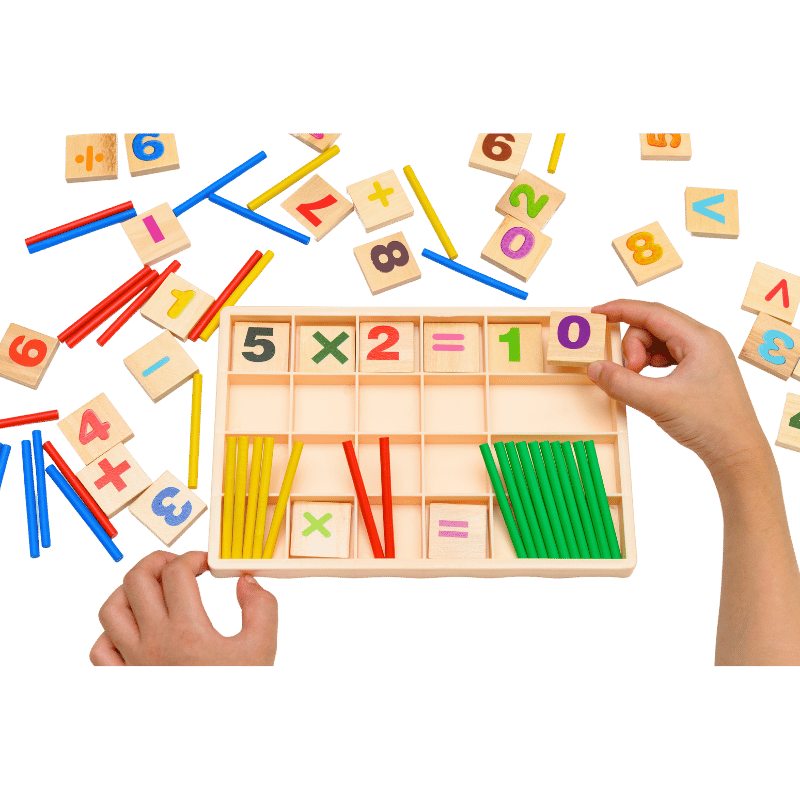
Preschoolers (3-6 years) thrive with toys that promote imagination and practical life skills. For example, wooden puzzles, threading beads, or miniature kitchen sets encourage concentration, patience, and creativity.
For school-age children (6-12 years), Montessori toys can include more complex building sets, science kits, or art supplies that foster critical thinking and independent learning.
The beauty of these toys lies in their ability to grow with the child, offering new challenges and opportunities for learning at every stage.

What is so special about Montessori toys?
What sets Montessori toys apart is their intentional design and the philosophy behind them. These toys are typically made from natural materials like wood, cotton, and metal, which provide a tactile and sensory-rich experience. The use of natural materials not only connects children to the environment but also offers durability and safety.
Montessori toys are designed to be open-ended, meaning they can be used in multiple ways, encouraging creativity rather than dictating a single way to play. This open-endedness supports problem-solving skills and allows children to follow their interests and pace.
Another special aspect is the focus on simplicity and beauty. Montessori toys are often minimalist in design, which helps children focus on the task at hand without unnecessary distractions. This simplicity fosters mindfulness and helps children develop concentration and a sense of order.
Moreover, these toys promote independence. They are sized and shaped to be easily handled by small hands, encouraging children to explore and learn on their own. This autonomy builds self-esteem and decision-making skills, which are crucial for lifelong learning.

How Montessori Toys Support Mindful Parenting
As someone who values mindful parenting, I appreciate how Montessori toys align with this approach. Mindful parenting is about being present, patient, and respectful of a child’s individuality. Montessori toys support this by encouraging children to engage deeply with their environment and develop at their own pace.
When children play with these toys, they learn to focus and enjoy the process rather than rushing to complete a task. This slow, intentional play helps reduce frustration and promotes emotional regulation. It also allows parents and caregivers to observe and understand their child’s interests and developmental needs more clearly.
Incorporating Montessori toys into your home or classroom can create a calm and inviting space that encourages exploration and learning. It also offers opportunities for meaningful interaction, where adults can guide without taking over, fostering a respectful and supportive relationship.
Practical Tips for Choosing Montessori Toys by Developmental Milestones
Choosing the right Montessori toys can feel overwhelming, but focusing on developmental milestones can help simplify the process. Here are some practical recommendations for selecting toys that match your child’s stage:
Babies (0-1 years): Look for toys that stimulate the senses and encourage movement. Examples include wooden rattles, soft balls, and textured fabrics. These toys should be safe to mouth and easy to grasp.
Toddlers (1-3 years): Choose toys that promote fine motor skills and problem-solving, such as stacking rings, shape sorters, and simple puzzles. Toys that encourage practical life skills, like pouring or buttoning frames, are also excellent.
Preschoolers (3-6 years): Opt for toys that inspire creativity and concentration. Threading beads, wooden puzzles, and pretend play sets help develop imagination and social skills.
School-Age Children (6-12 years): Select toys that challenge thinking and encourage independent projects. Building kits, science experiments, and art supplies can nurture curiosity and critical thinking.
When selecting toys, always consider the quality of materials and craftsmanship. Natural, sustainable materials not only last longer but also provide a healthier environment for children.
Creating a Montessori-Inspired Play Space at Home
One of the joys of Montessori toys is how they inspire us to create thoughtful play spaces. A Montessori-inspired play area is simple, organised, and accessible to children. Here are some tips to help you set up a nurturing environment:
Use low shelves: Place toys within easy reach so children can choose what they want to play with independently.
Rotate toys: To keep the environment fresh and engaging, rotate toys regularly. This prevents overstimulation and keeps children curious.
Incorporate natural elements: Use wooden furniture, plants, and natural light to create a warm and inviting atmosphere.
Encourage order: Teach children to return toys to their place after use. This practice fosters responsibility and respect for their environment.
Limit distractions: Keep the space free from screens and noisy toys to encourage focused play.
By creating a calm and organised play space, you support your child’s ability to concentrate and enjoy their learning journey.
Embracing the Journey with Montessori Toys
Choosing to incorporate Montessori toys into your child’s life is a beautiful way to honour their natural development and individuality. These toys offer more than just entertainment - they are companions in a child’s journey towards independence, creativity, and confidence.
I encourage you to explore the world of montessori educational toys and discover the joy of watching your child learn through play that respects their pace and interests. Whether you are selecting a first toy for a baby or looking for new challenges for a school-age child, Montessori toys provide a meaningful and lasting foundation for growth.
Remember, the goal is not perfection but presence - being there to support, observe, and celebrate each small step your child takes. With Montessori toys, you are giving them the gift of learning with love, intention, and respect.
Thank you for joining me in this exploration of Montessori educational toys. May your journey be filled with curiosity, joy, and mindful moments.
To display the Widget on your site, open Blogs Products Upsell Settings Panel, then open the Dashboard & add Products to your Blog Posts. Within the Editor you will only see a preview of the Widget, the associated Products for this Post will display on your Live Site.
Start your 14 days Free Trial to activate products for more than one post.
icon above or open Settings panel.
Please click on the


Comments